

Cost Comparison of Panasonic Megtron 6
PCBs are the backbone of electronics that help make modern technologies work. They can be found in a wide range of devices, including computers, smartphones, and televisions. Choosing the right circuit board material is important for these devices to function properly. The Panasonic laminates have a high thermal resistance and dimensional stability, which makes them perfect for printed circuit boards. The Panasonic laminates also provide excellent resiliency and through hole reliability. This means that these laminates can withstand a lot of environmental stress and still deliver high-quality results.
One of the most popular Panasonic laminates is panasonic megtron 6, which is used in RF PCBs, or radio frequency printed circuit boards. This is because this material has a low dielectric constant and dissipation factor, which helps keep signal integrity at a high level. It also has a high glass transition temperature and can withstand high operating temperatures, making it ideal for demanding applications.
In the realm of high-performance printed circuit boards (PCBs), choosing the right substrate material plays a critical role in achieving optimal electrical performance, durability, and reliability. Among the many options available, Panasonic Megtron 6 has emerged as a standout material due to its superior thermal and electrical properties. However, it is essential to evaluate its cost-effectiveness compared to other materials to make an informed choice.
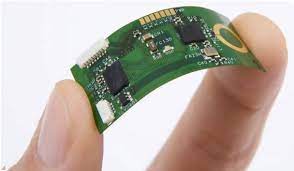
Cost Comparison of Panasonic Megtron 6 With Other Materials
Panasonic Megtron 6 is a high-speed, low-loss laminate designed for advanced PCB applications. Its dielectric properties are exceptional, with a low dielectric constant (Dk) and dissipation factor (Df), making it ideal for high-frequency and high-speed applications. Additionally, Megtron 6 offers impressive thermal reliability, making it suitable for applications in telecommunications, data centers, and advanced automotive electronics.
Panasonic has a number of other laminates that offer a variety of advantages. For example, the Hiper Series offers advanced multi-layer circuit board materials that can withstand high heat, high speed data transmission, and even high-speed IC testing. The company has even developed a Halogen-free version of Megtron 6 that is halogen-free and has lower emissions, making it more environmentally friendly than other materials.
Compared to Rogers 4350B, Megtron 6 has a lower peak-to-peak jitter value, and it can handle higher speeds than the latter. It is also easier to fabricate, and it has more options when it comes to copper-clad thickness and foil choice. The thinner foils of Megtron 6 can prevent signal reflections at high frequencies, and they are also more durable than the thicker foils of Rogers 4350B.
In addition to its impressive thermal performance, the Megtron 6 laminate has the lowest transmission loss in its class. This allows for faster and larger data transfers, which can help reduce power consumption in data communications equipment. It can also be used in telecommunications routers, switches, and other high-speed networking equipment.
In addition, Megtron 6 has excellent recyclability and reliability. This is why it is commonly used in critical applications, such as aerospace and automotive electronics. It is a good alternative to other high-performance laminates, such as polytetrafluoroethylene (PTFE), which can cause corrosion in sensitive applications.