

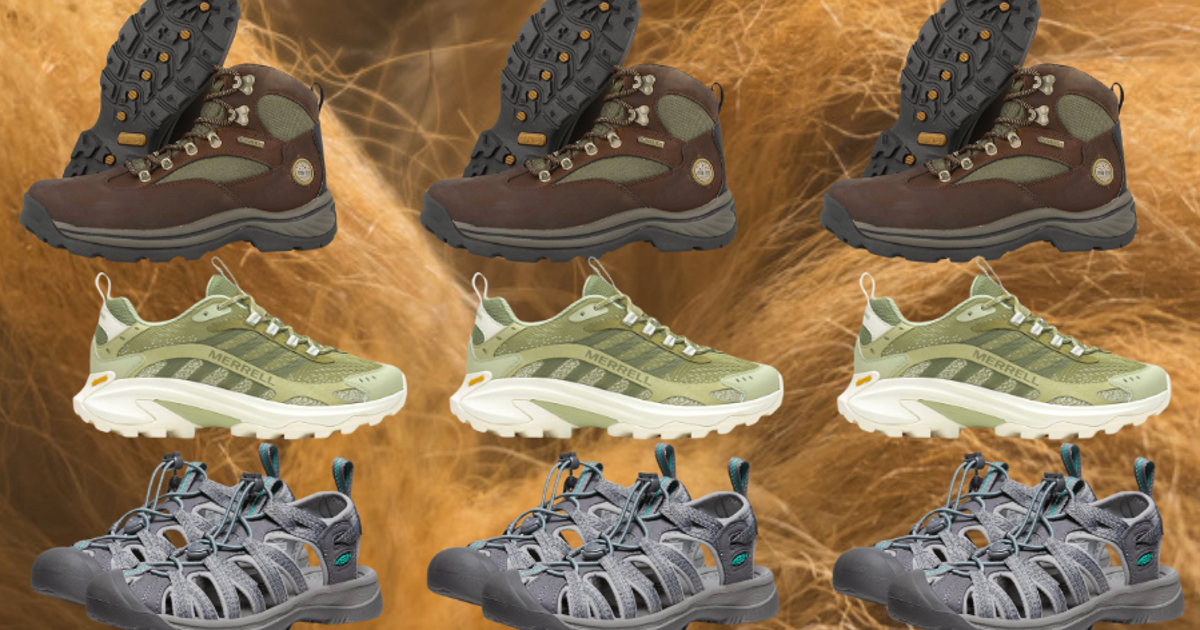
If you’re looking for shoes to wear in inclement weather or muddy conditions, who better to ask than a group of people who navigate these types of environments every day? According to zookeepers at the Elmwood Park Zoo in Norristown, Pennsylvania, the ideal work shoe is something long-lasting, durable, comfortable and inexpensive — a combination that can be nearly impossible to find.
“We usually spend $100-plus on shoes at least twice a year, if we don’t employ duct tape and shoe glue,” Kate Olsen, the zoo’s assistant curator of behavioral husbandry and conservation, told HuffPost.
Olsen said that every zookeeper has their own favorite styles and brands of shoes, noting that what works for some doesn’t work for others. Yet, she said a common goal among staff members is to find comfortable kicks that last for longer than six months of consistent rugged wear, and anything that will keep their toes dry on long days in the elements.
“‘Waterproof’ and ‘water-resistant’ are very different things,” Olsen said, joking that even some supposedly waterproof shoes don’t keep your feet completely dry.
Theresa Wilson, the director of ZooAmerica in Hershey, Pennsylvania, explained that shoe height can be another determining factor for staffers.
“Some like full boots and some like low hikers,” Wilson told HuffPost. “Preference is dependent on individuals and their comfort level.”
Though Wilson didn’t endorse particular brands or styles, she noted that a solid zoo shoe should be something that has traction, that can get wet and that you won’t hate to walk in for eight hours a day.
To help you treat your feet in wet, muddy or just general outdoor conditions, Olsen and others broke down zookeepers’ favorite shoes to wear to work.
HuffPost and its publishing partners may receive a commission from some purchases made via links on this page. Every item is independently curated by the HuffPost Shopping team. Prices and availability are subject to change.
Salomon hiking boots

Danner
Danner boots

Keen
Keen waterproof hiking boots
“Keens have a good warranty on their boots for outdoor professionals,” Olsen said, explaining that Keen waterproof hiking boots are also popular among zookeepers. These waterproof hikers boast a sole that’s been fused together — not glued — making them extra durable.

Amazon
Timberland Chocorua waterproof boots

Merrell
Merrell sneakers or hiking boots

Kuru
Kuru sneakers
“Kuru caught my attention because they advertise shoes on the type of foot pain you have,” Wise told HuffPost. “Being on my feet all day, I need good, supportive shoes. I also have to occasionally switch out of my sneakers to boots when cleaning and hosing in habitats, so something I can slip on and off is important to me as well. I do think I will continue to purchase Kuru, as they have been the most supportive and long-lasting shoe I’ve owned.”
Kuru’s easy-to-use website lets you find shoes intended for foot pain and conditions like plantar fasciitis, flat feet, heel spurs and bunions.

Amazon
Keen Whisper sandals
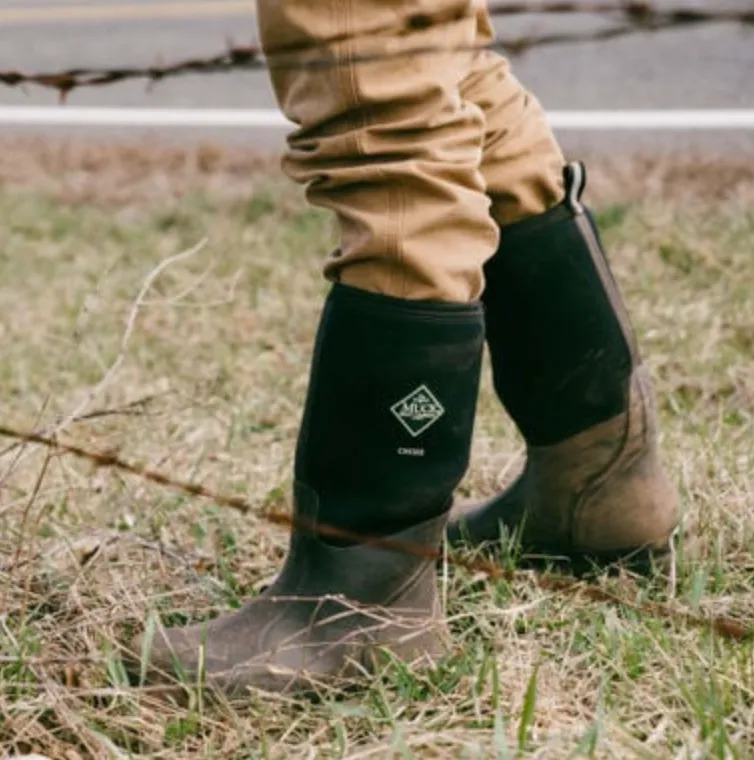
Muck Boot Co.
Waterproof boots from Muck Boot Co.
“In general we’ve found that Bogs and Muck Boots really hold up to the amount of water work and hosing we do,” she said.
Muck Boot Co. — which says it’s the original creator of the “muck boot,” a boot made for mud and mess — offers a ton of styles for waterproof boots that keep your feet protected. We like its classic chore boots with a stretchy and protective neoprene upper that’s comfortable and moves with you.

Bogs
Bogs waterproof boots

Amazon
Dr. Scholl’s insoles
“What has been the most cost-effective for me is to buy cheap sneakers from Amazon and put the really good Dr. Scholl’s inserts in them,” Powell told HuffPost. “I use the black boots the zoo provides if I am going to do a lot of cleaning and hosing, and put the inserts in them as well. It turns any pair of uncomfortable shoes into very comfortable shoes I can stand in all day.”